What to See & Do Near Central Park Alajuela
A walking route through the heart of Alajuela: the Cathedral, the Juan Santamaría Museum, the Central Market and the park's wildlife.
Tour Route
The ideal route to explore Central Park Alajuela:
09:00 AM
Stroll through Central Park and look for wild iguanas under the mango trees.
10:00 AM
Step into the adjacent Alajuela Cathedral (Catedral de la Virgen del Pilar) to admire the stained glass.
11:00 AM
Visit the Juan Santamaría Museum to learn about Costa Rica's national hero.
12:00 PM
Walk to the Central Market (Mercado Central) two blocks away to taste authentic Costa Rican food (Casado) — look for a traditional 'soda' stall in the market and order a Casado with rice, beans and fried plantains (patacones).
Additional Tour Tips
- It's recommended to go during the day when the light is best, suitable for taking photos and enjoying the park scenery.
- You can combine your visit with Alajuela's historical attractions, such as the Cathedral, museums, etc.
- Please respect local culture and keep the park environment clean.
History of Alajuela Central Park
Founding Era: The Dusty 'Plaza de Armas'
When Alajuela was founded, the site of today's leafy Central Park was a dusty 'Plaza de Armas' (Weapons' Square) used for military parades, markets and public gatherings — the city's earliest public space.
Beautification Drive & the Octagonal Kiosk
Influenced by European liberalism and modernization, the municipality planted mango trees around the square on a large scale and built the iconic central octagonal domed kiosk (Kiosk). Radiating paths cut the canopy into a natural dome, turning the park into an oasis against the tropical heat.
National Hero & Civic Landmark
As the hometown of Costa Rica's national hero Juan Santamaría, Alajuela shaped the area around the park into its cultural core. The adjacent Juan Santamaría Historical and Cultural Museum records the deep bond between this hero and the city.
A Cultural Tourism Destination for Visitors
Thanks to its unbeatable location — only 5-10 minutes by car from SJO International Airport — plus its century-old mango trees and urban wildlife, the park has become the first stop in Costa Rica for countless international travelers.
💡 Visitor Guide Tip
Enter from the main entrance and admire the central octagonal kiosk and fountain first; then visit the Alajuela Cathedral and the Juan Santamaría Museum; if time allows, stroll two blocks to the Central Market (Mercado Central) for an authentic Casado. Stay in the park at dusk to witness the spectacular roosting of the red-fronted parakeets.
Wildlife Spotting Guide
A downtown park just minutes from an international airport hosting such a dense wildlife community is extremely rare among city parks worldwide. Here is where and when you are most likely to meet them:
Red-fronted Parakeets (Pericos)
Psittacara finschi
Every sunset, hundreds of wild red-fronted parakeets fly back from all directions to roost in the mango canopy. Their deafening chorus has become the city center's most famous 'natural white noise'.
Sloths (Perezosos)
Two-toed / Hoffmann's sloth
The thick mango trunks and dense foliage give wild sloths perfect camouflage and habitat. They move slowly and often hang upside-down high in the canopy, requiring patient observation.
Green Iguanas (Iguanas verdes)
Iguana iguana
Groups of green iguanas dwell in the park year-round, basking on low-hanging mango branches or the historic stone benches at noon — the easiest reptiles to spot.
Observation tips: keep quiet and keep your distance; do not feed or touch the wildlife. The best vantage points are the mango canopy and stone benches around the central kiosk.
Fun Facts: Alajuela's Century-Long Bond with the 'City of Mangoes'
The nickname 'City of Mangoes' (Ciudad de los Mangos) is no accident — it is a story written by geography, microclimate and collective memory.
Climate Code: A Subtropical Microclimate at ~950 m
Alajuela sits slightly lower than the capital San José (about 950 m), with a distinct dry/wet season and warm climate that gives the Asian mango tree (Mangifera indica) a near-perfect home, making mango the city's most recognizable botanical landmark.
Spatial Evolution: From 'Plaza de Armas' to a Renaissance Oasis
In the late 19th century, inspired by European liberalism and modernization, the municipality planted the mango trees — now towering giants — across the square and built the iconic octagonal domed kiosk (Kiosk).
Mango Festival (Feria del Mango): A City Feast, June–July
Every June–July during the mango harvest, the park and surrounding streets transform into a folk-exhibition hub hosting the traditional 'Mango Festival', showcasing local mango varieties and food culture.
Local Way to Eat: Green Mango (Mango Verde) with Lizano Sauce
Locals prefer not the ripe sweet mango but the firm, unripe green mango. Sliced, salted, with a squeeze of lime and sometimes Costa Rica's signature Lizano sauce — a childhood memory shared by every Alajuelense who grew up under the mango trees.
Ties to a National Hero: Juan Santamaría
Alajuela is the hometown of Costa Rica's national hero Juan Santamaría. A museum in his honor stands in the city center, making the park not only a leisure oasis but also an anchor of civic patriotic memory.
Stunning Photos
The Charm of Central Park Alajuela
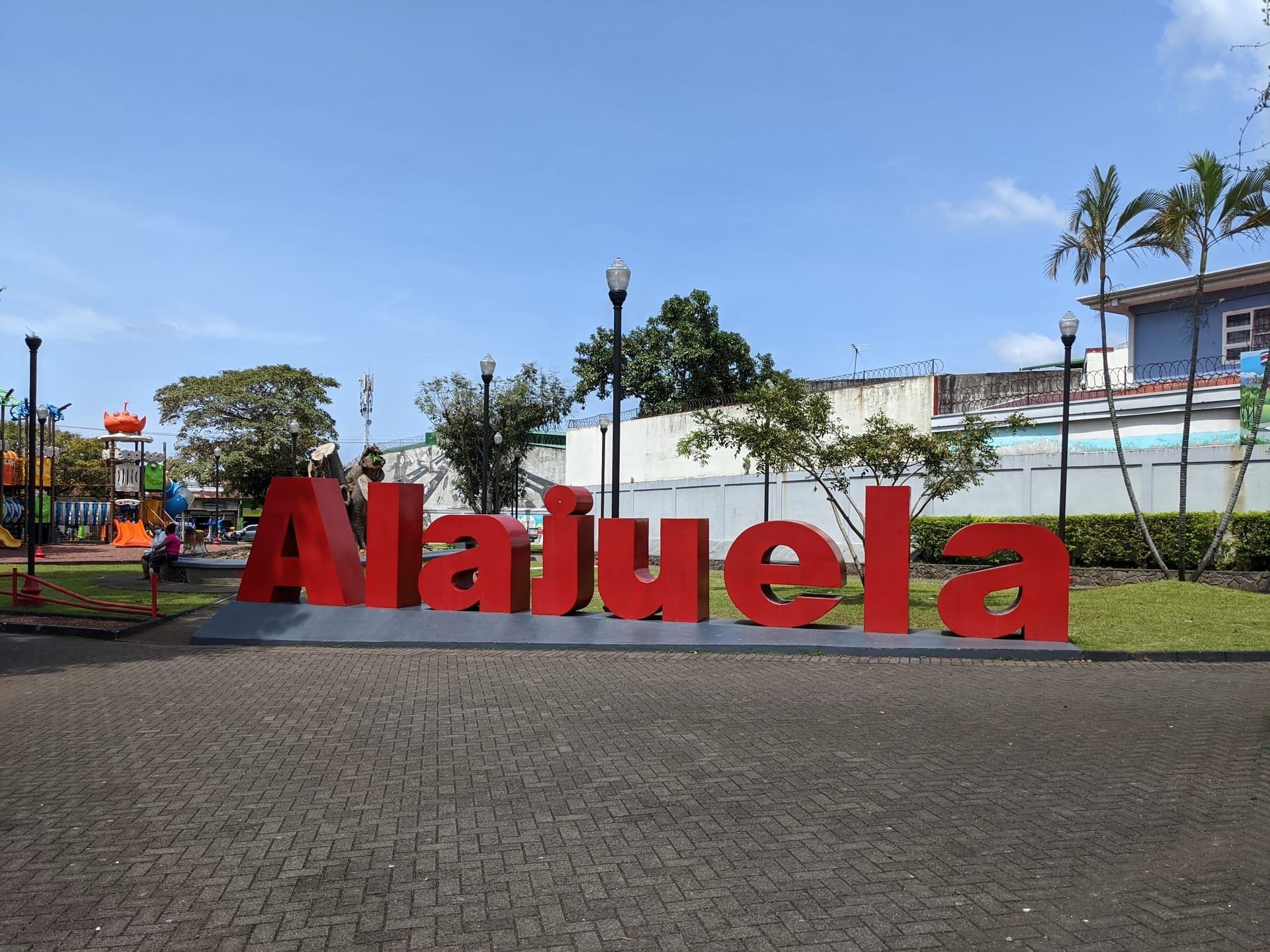
Park panoramic view
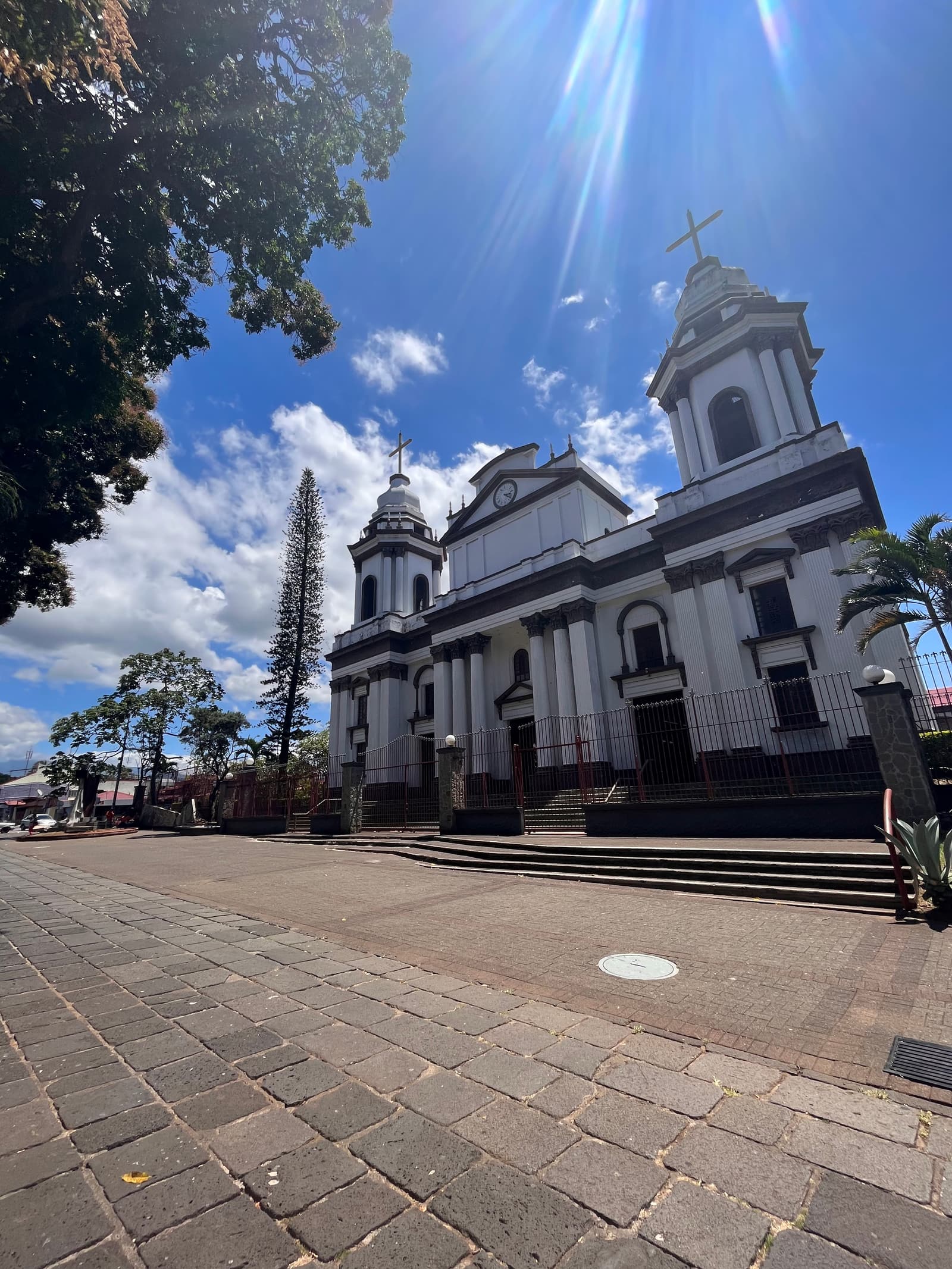
Park scenery
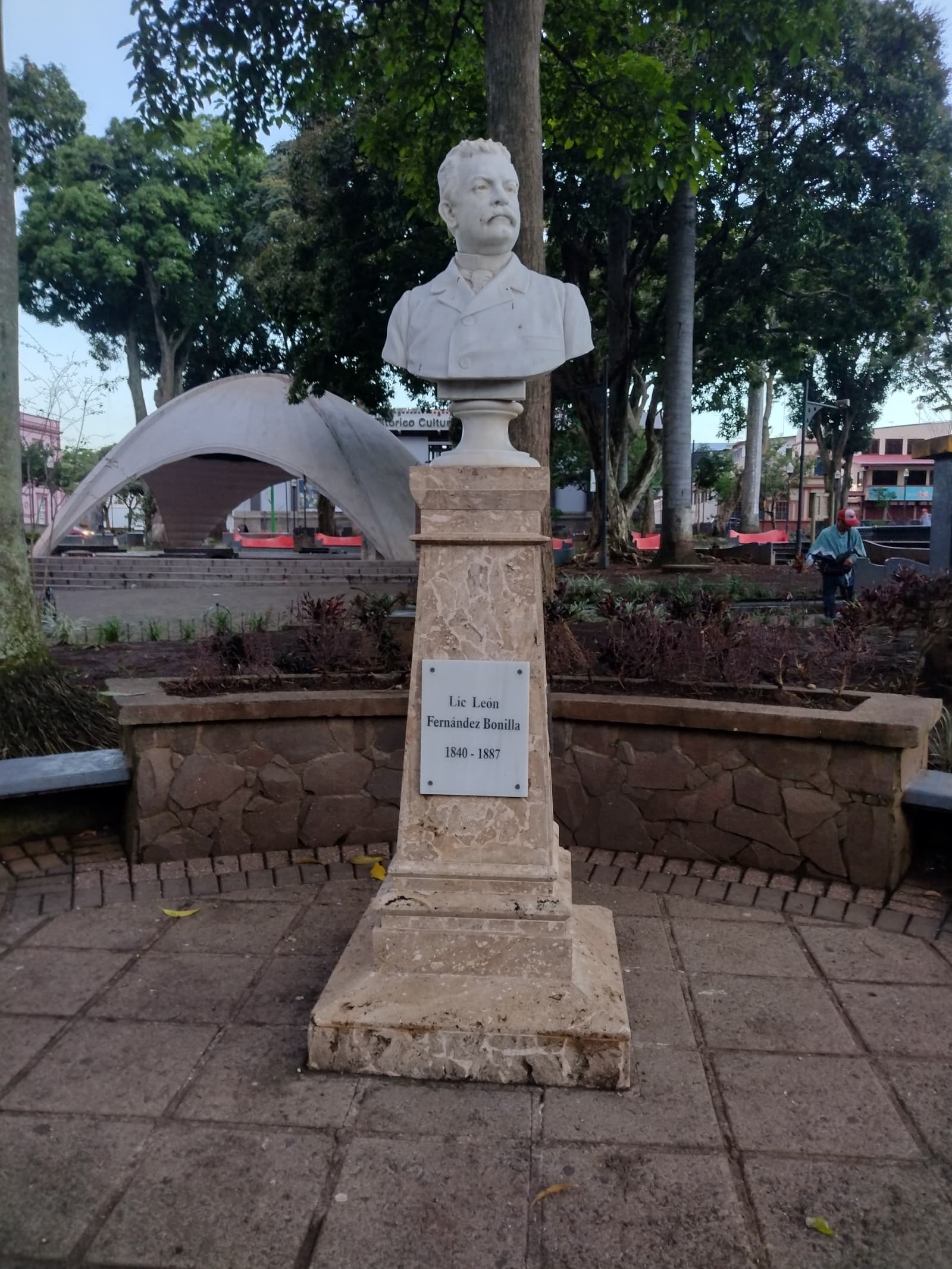
Shady trees
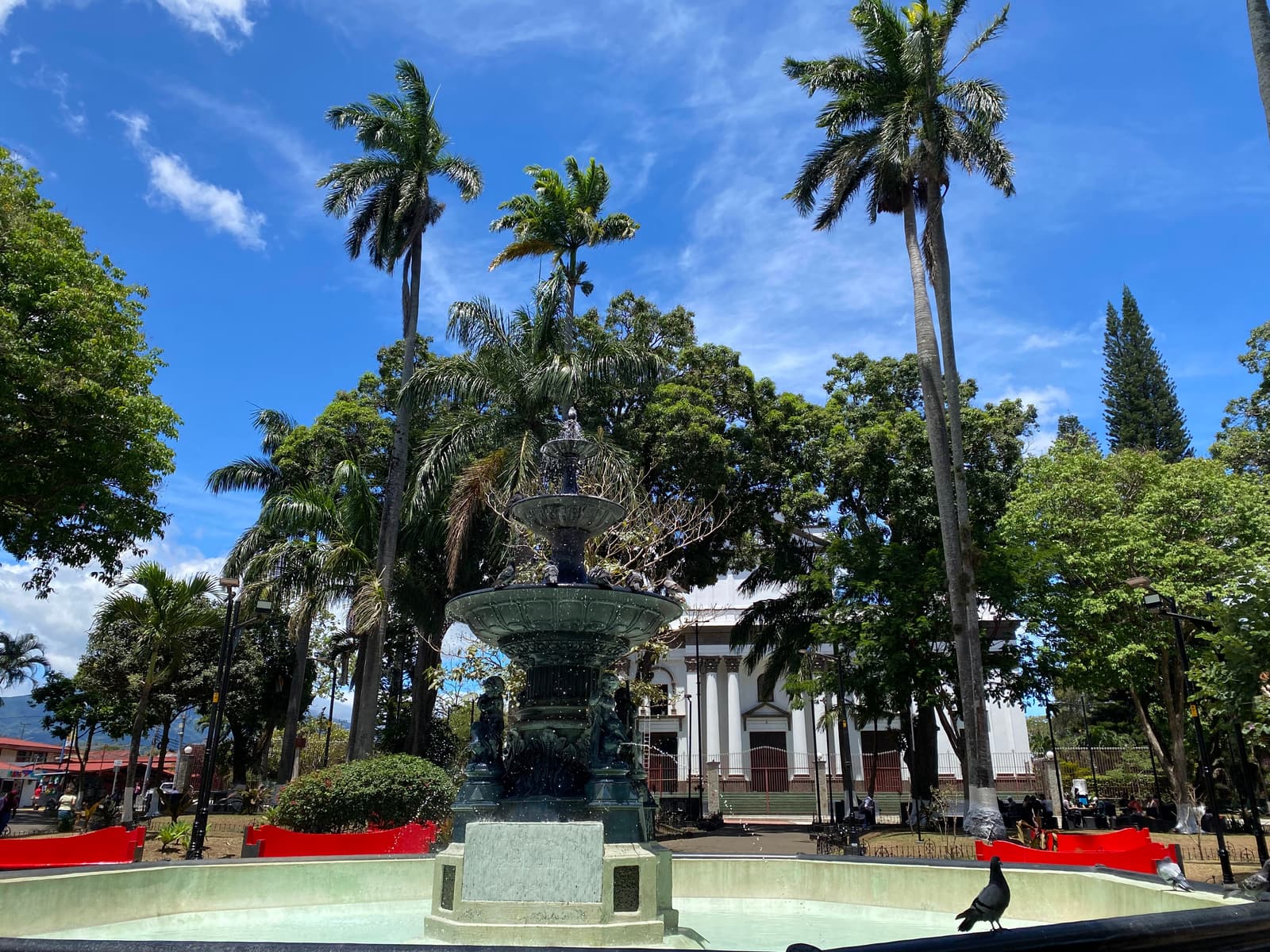
Park landscape
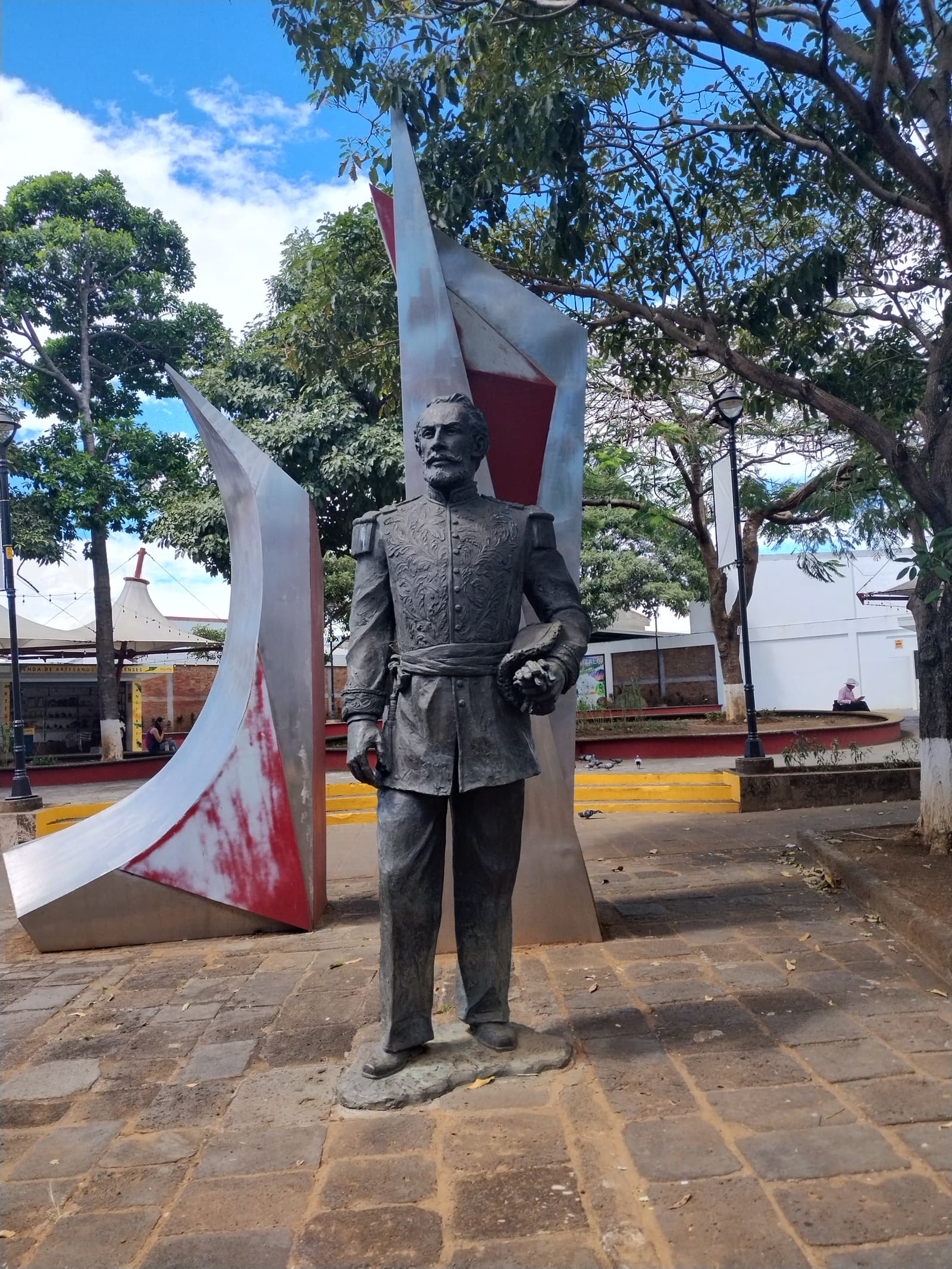
Leisure spaces
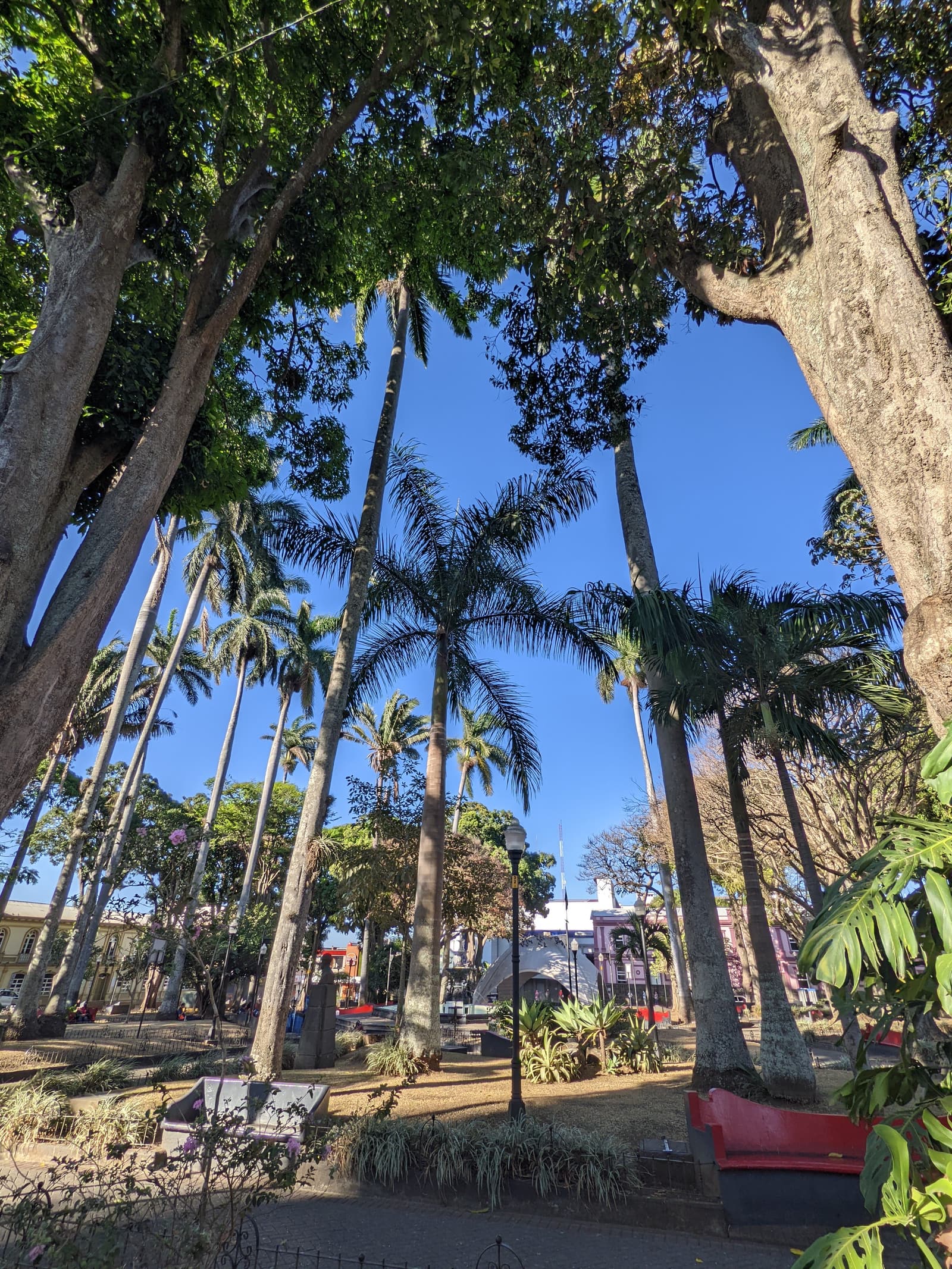
Walking paths
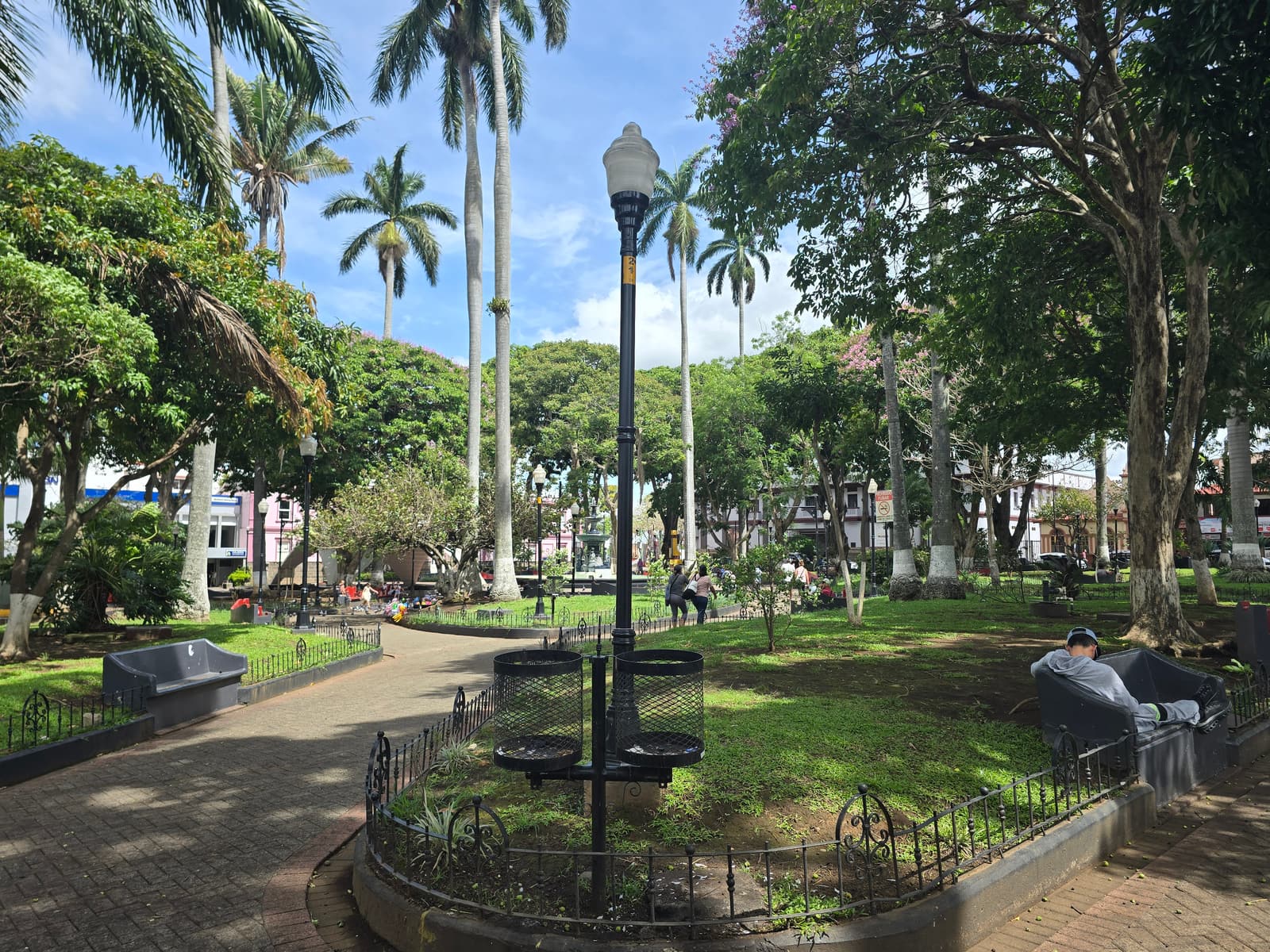
Cultural atmosphere
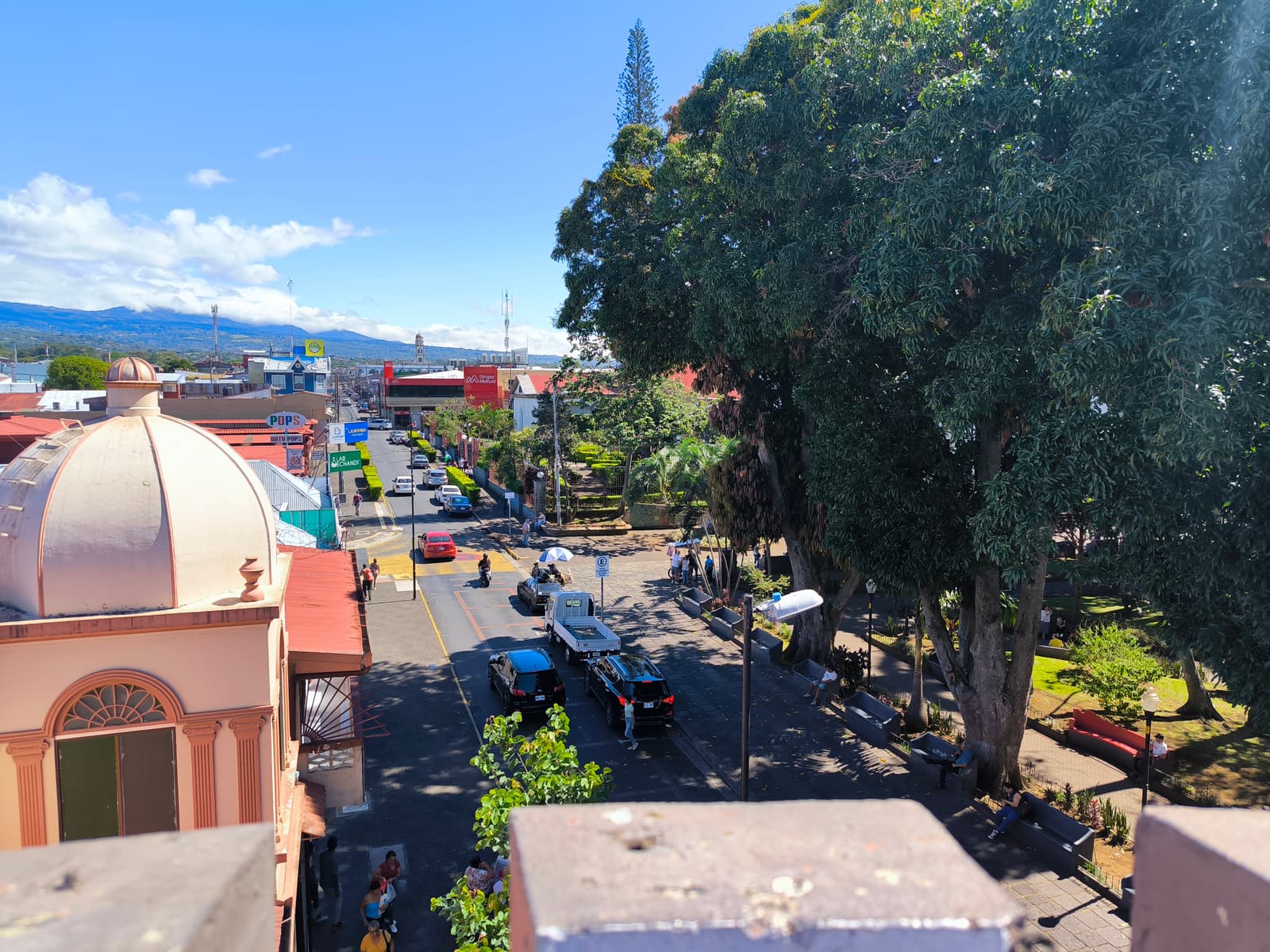
Park features
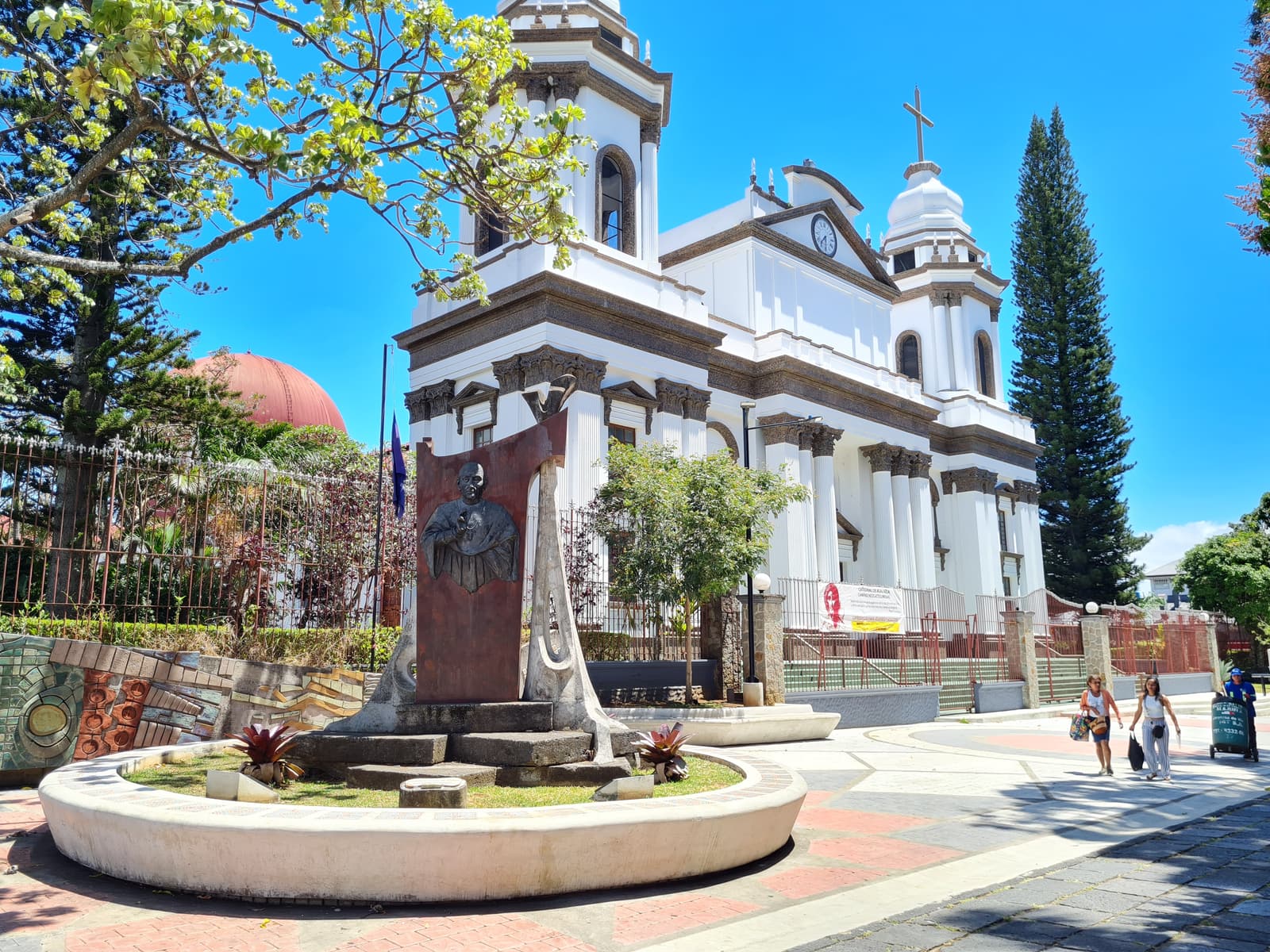
Leisure atmosphere
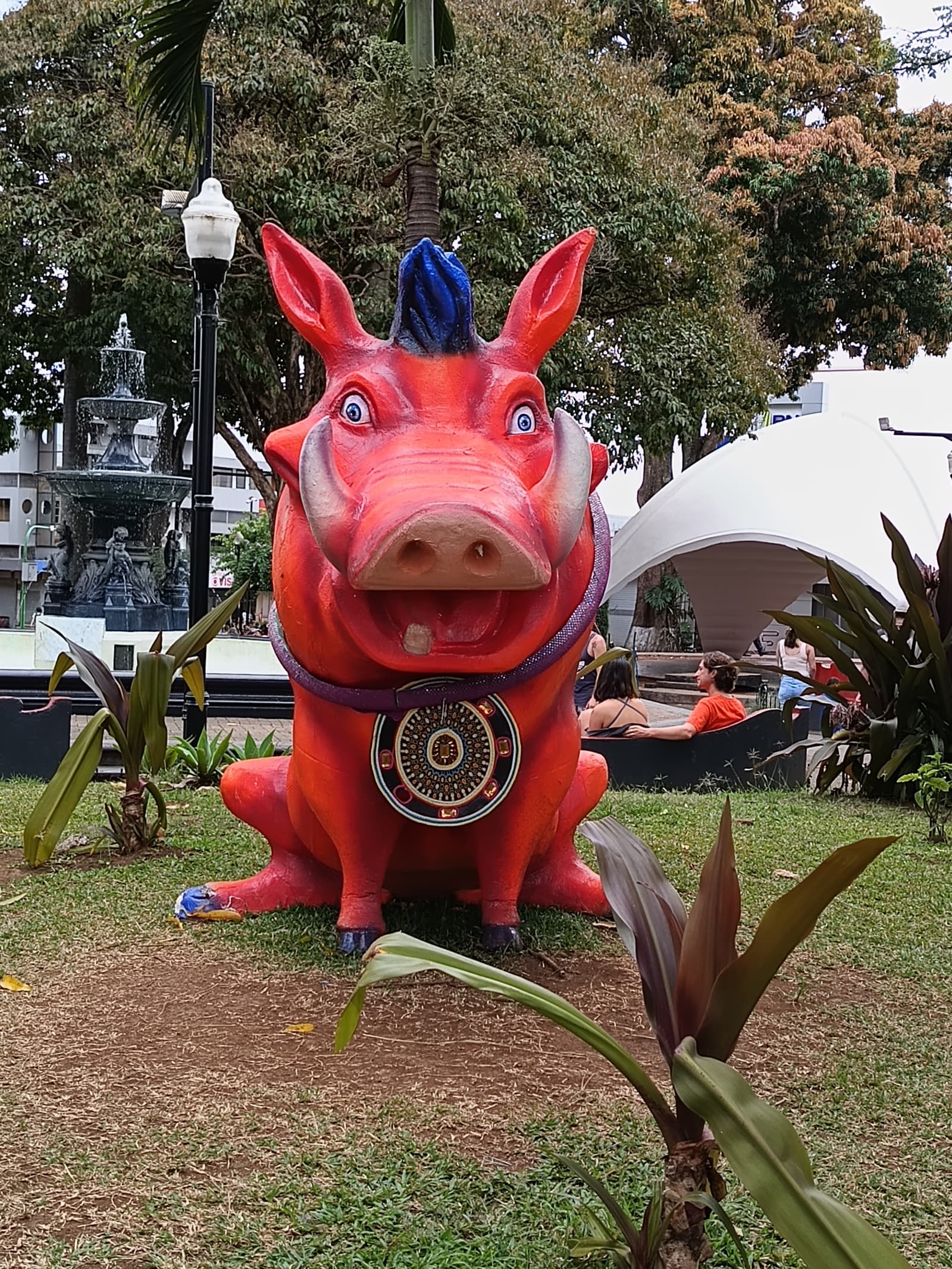
Park characteristics
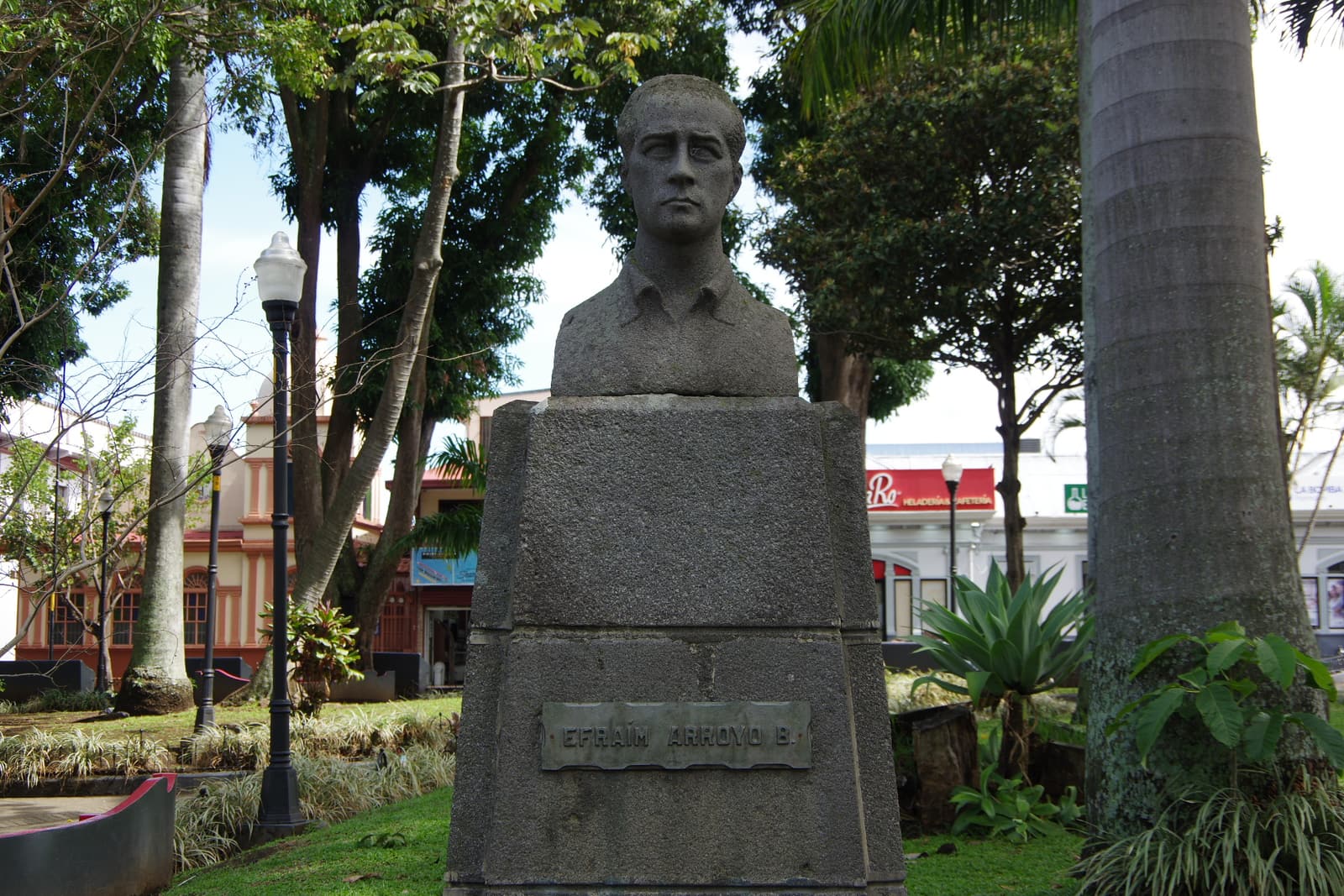
Culture and nature
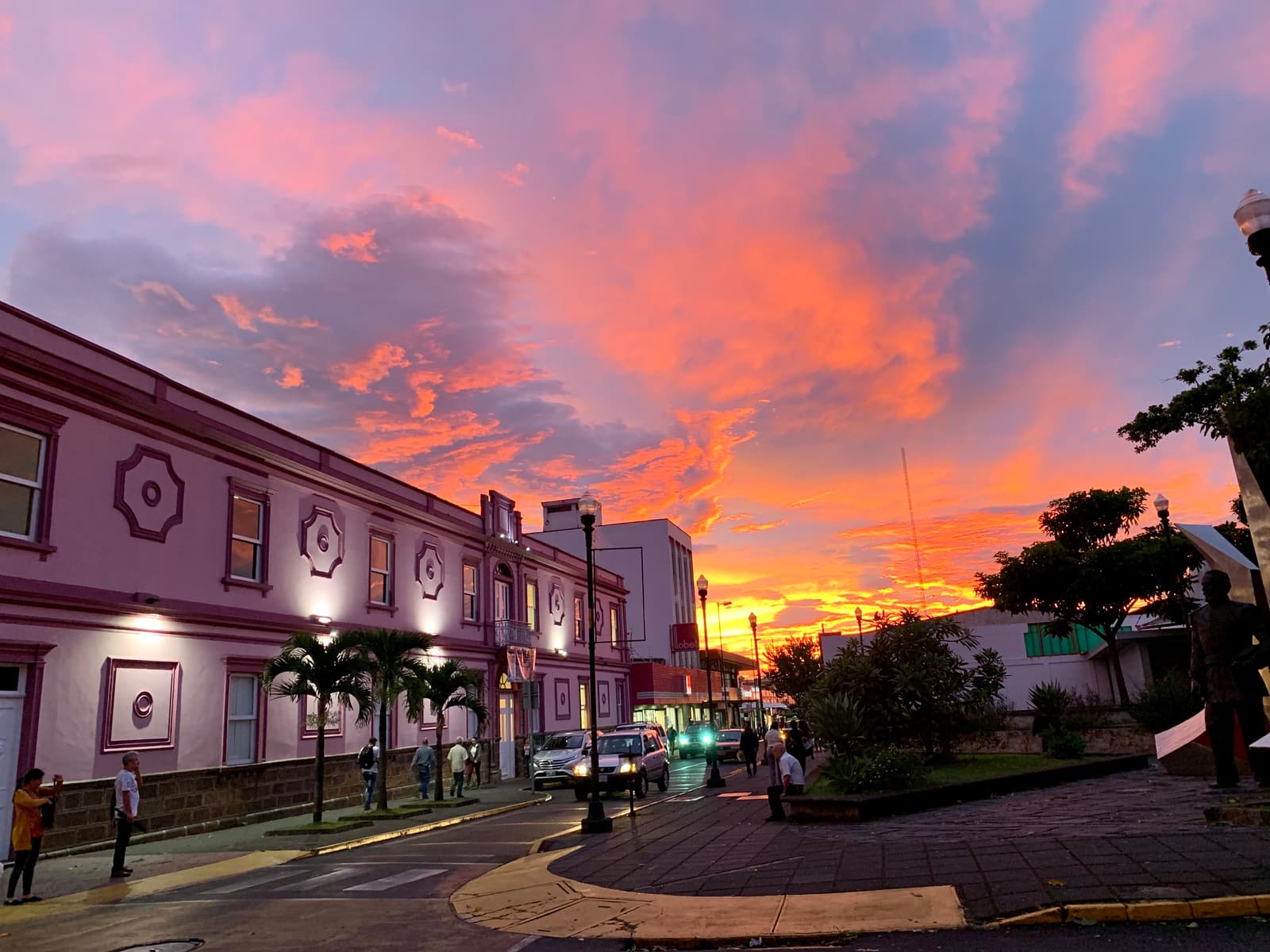
Full park view
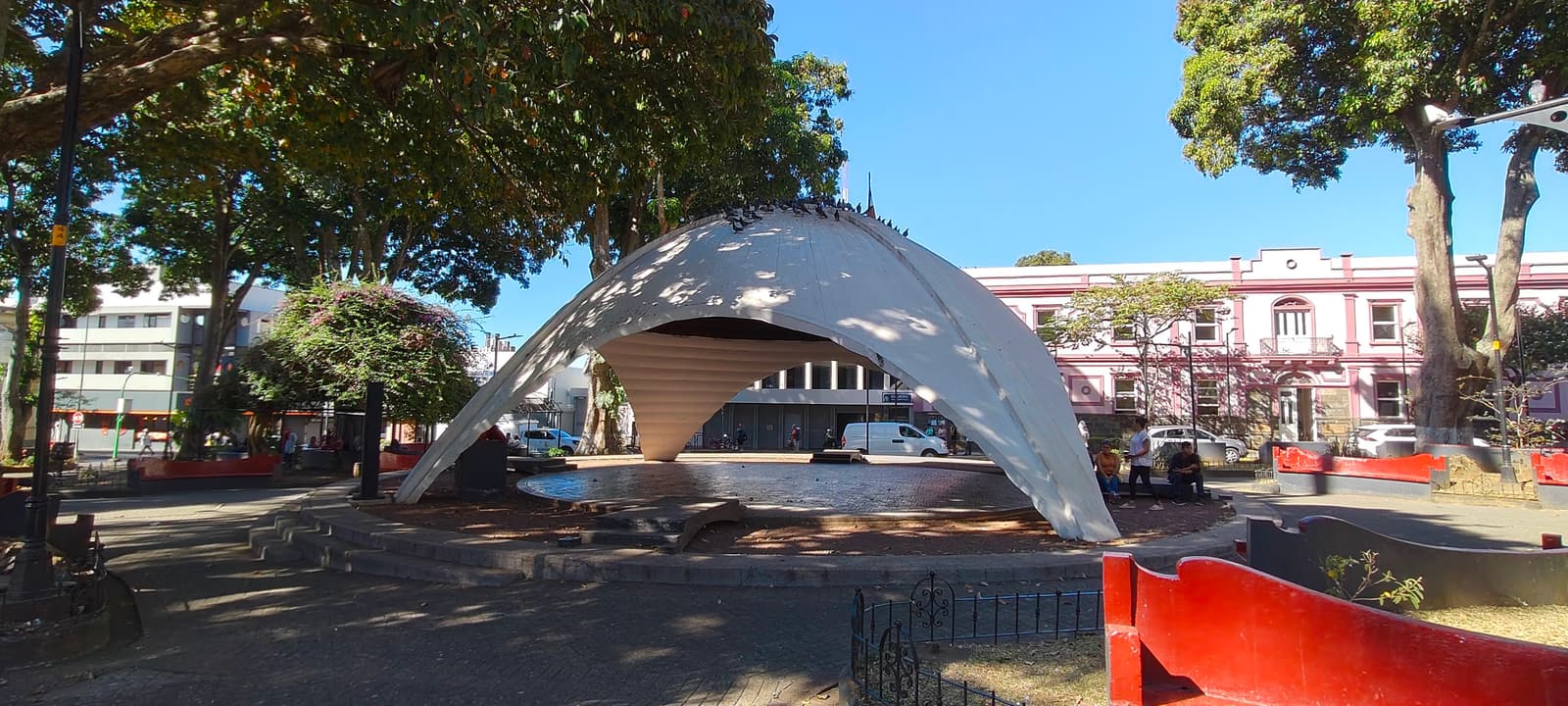
Park style
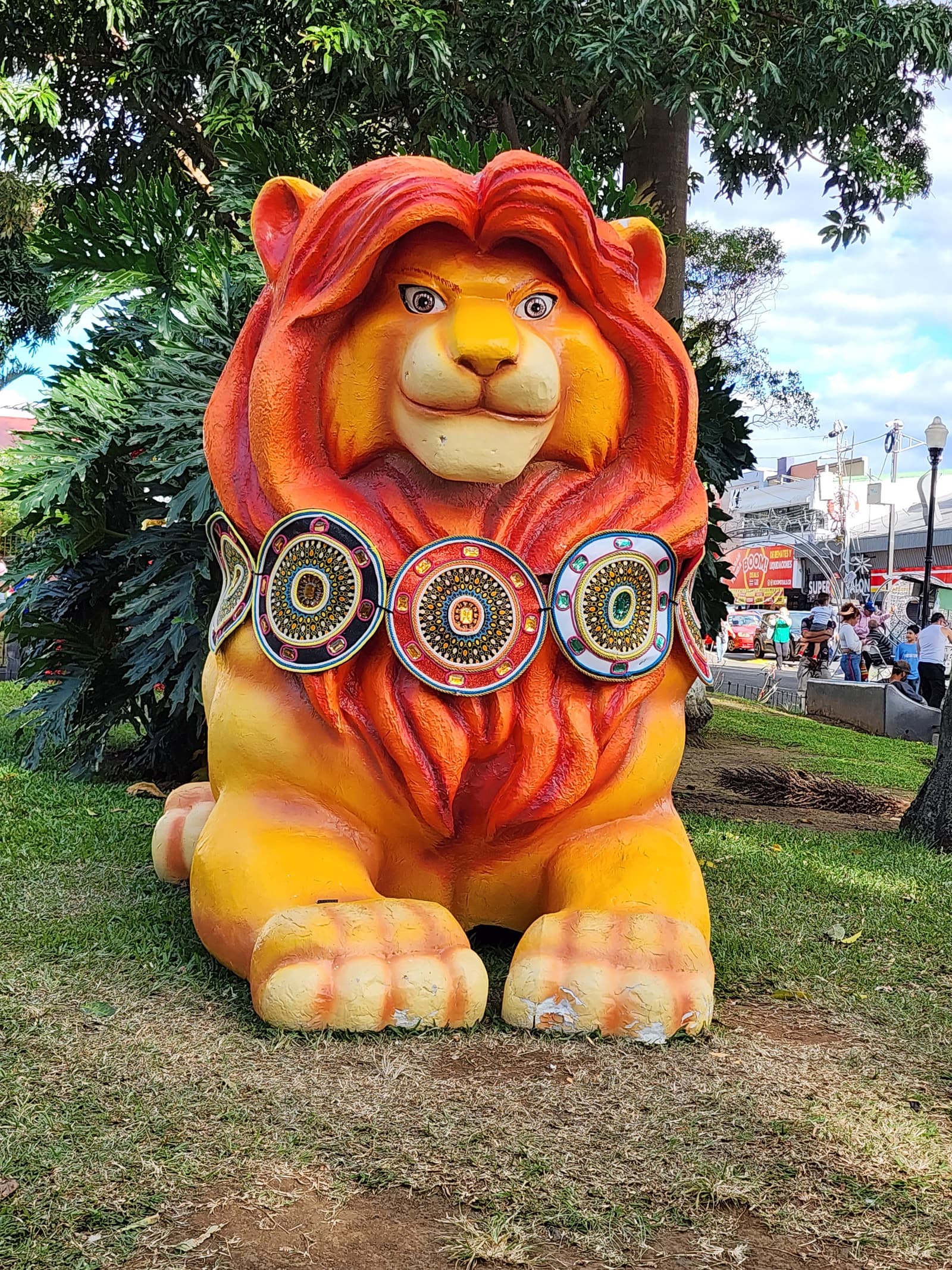
Natural traces
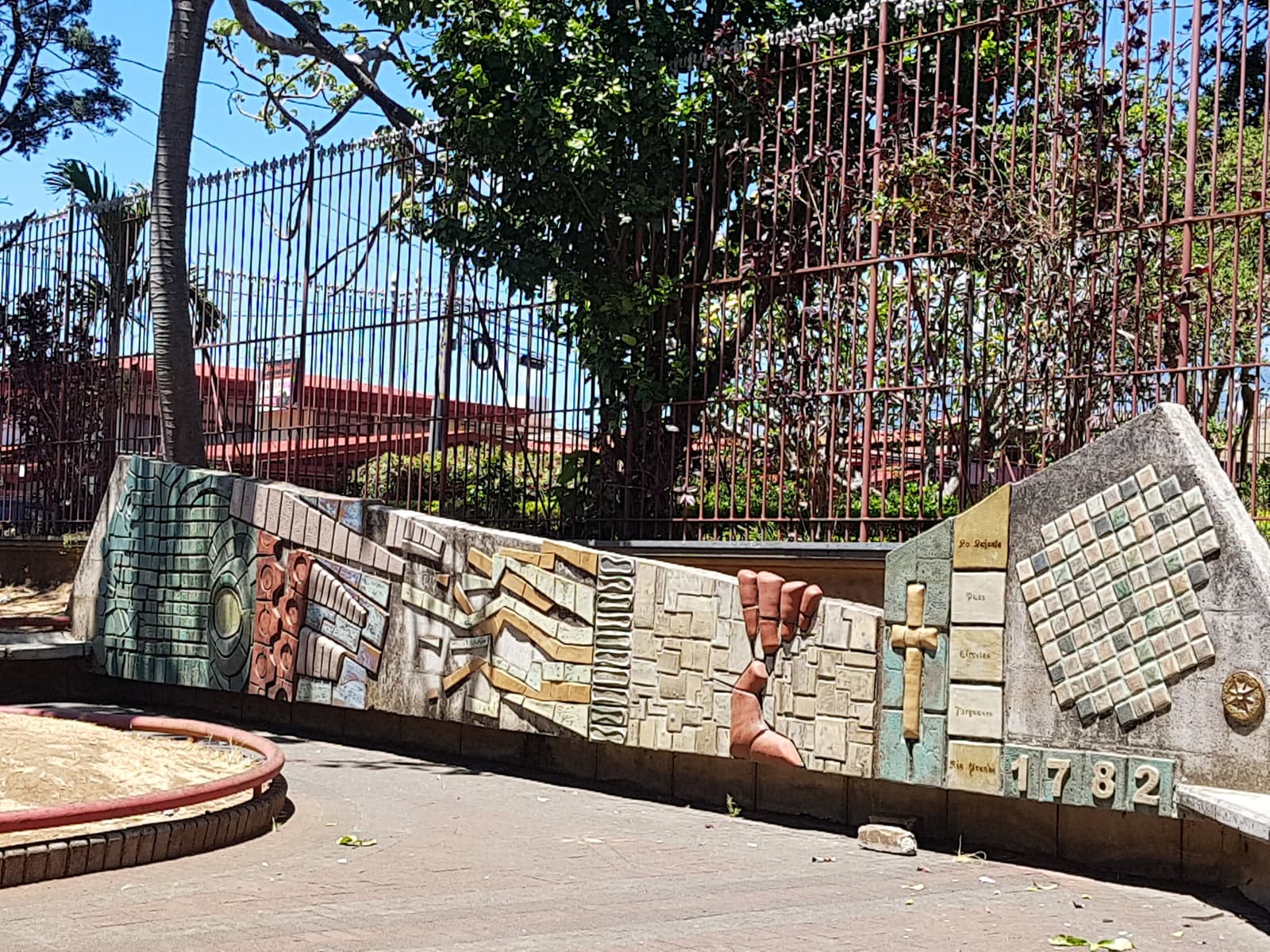
Cultural landscape
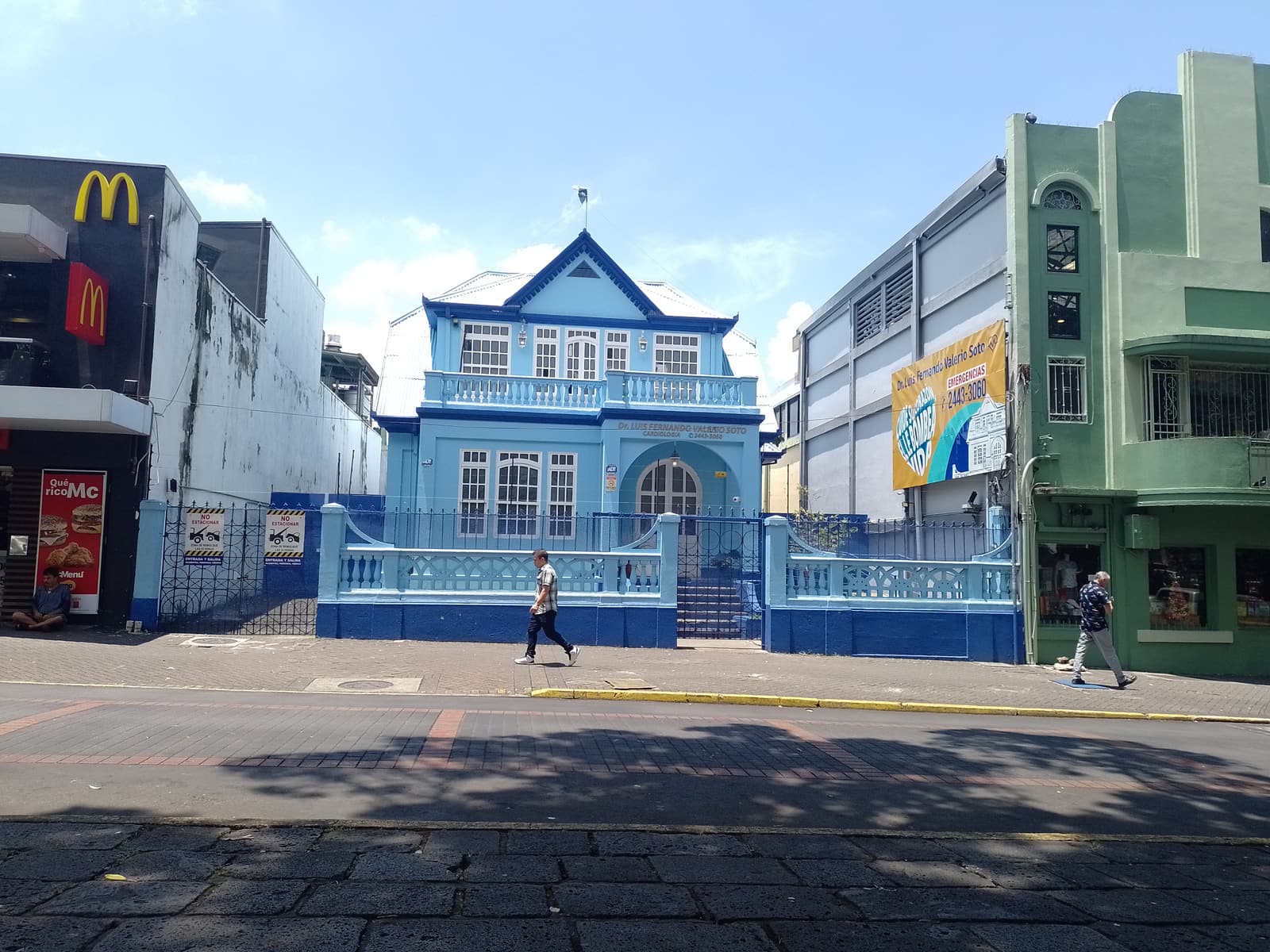
Natural scenery
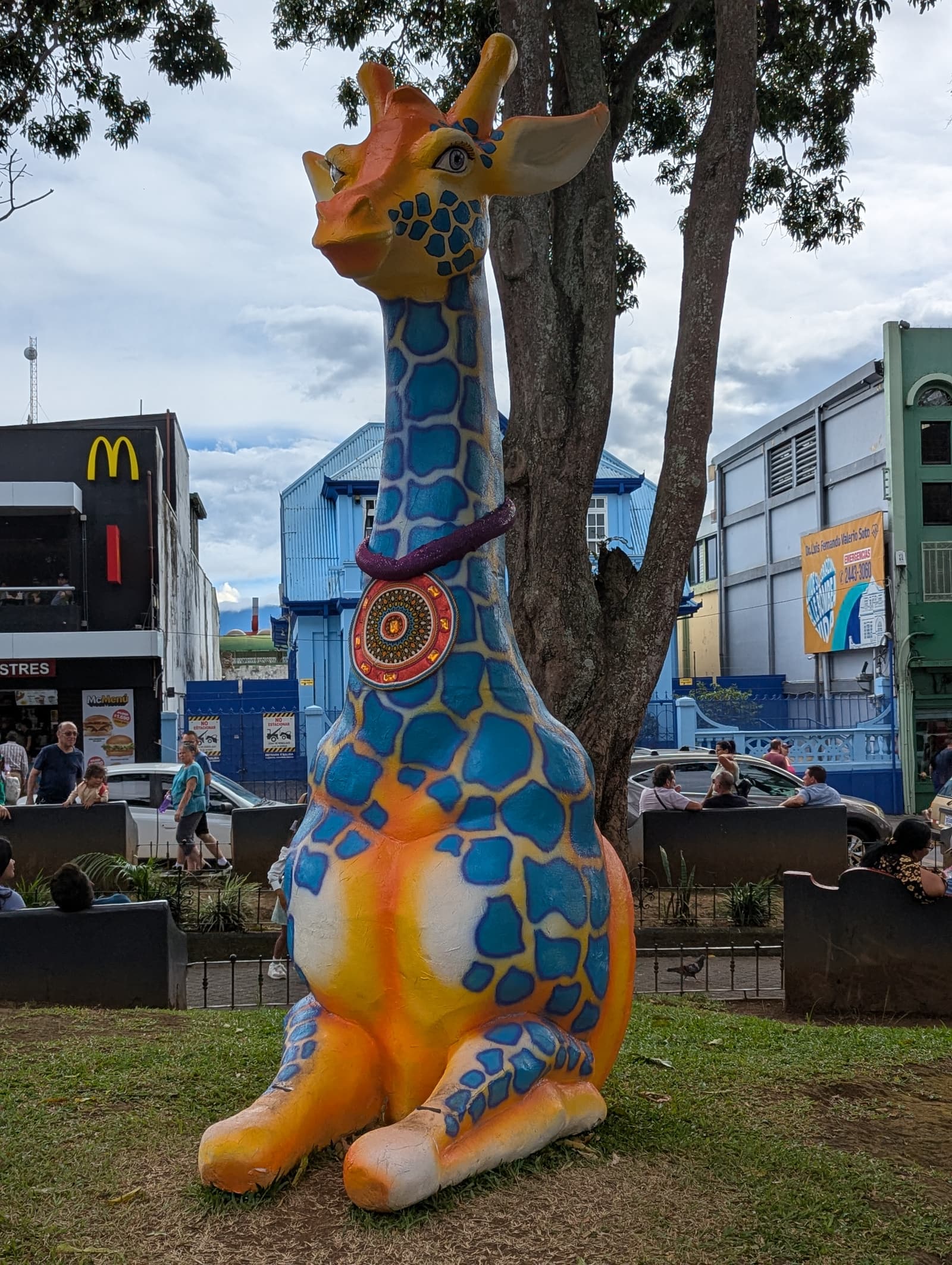
Beautiful park views
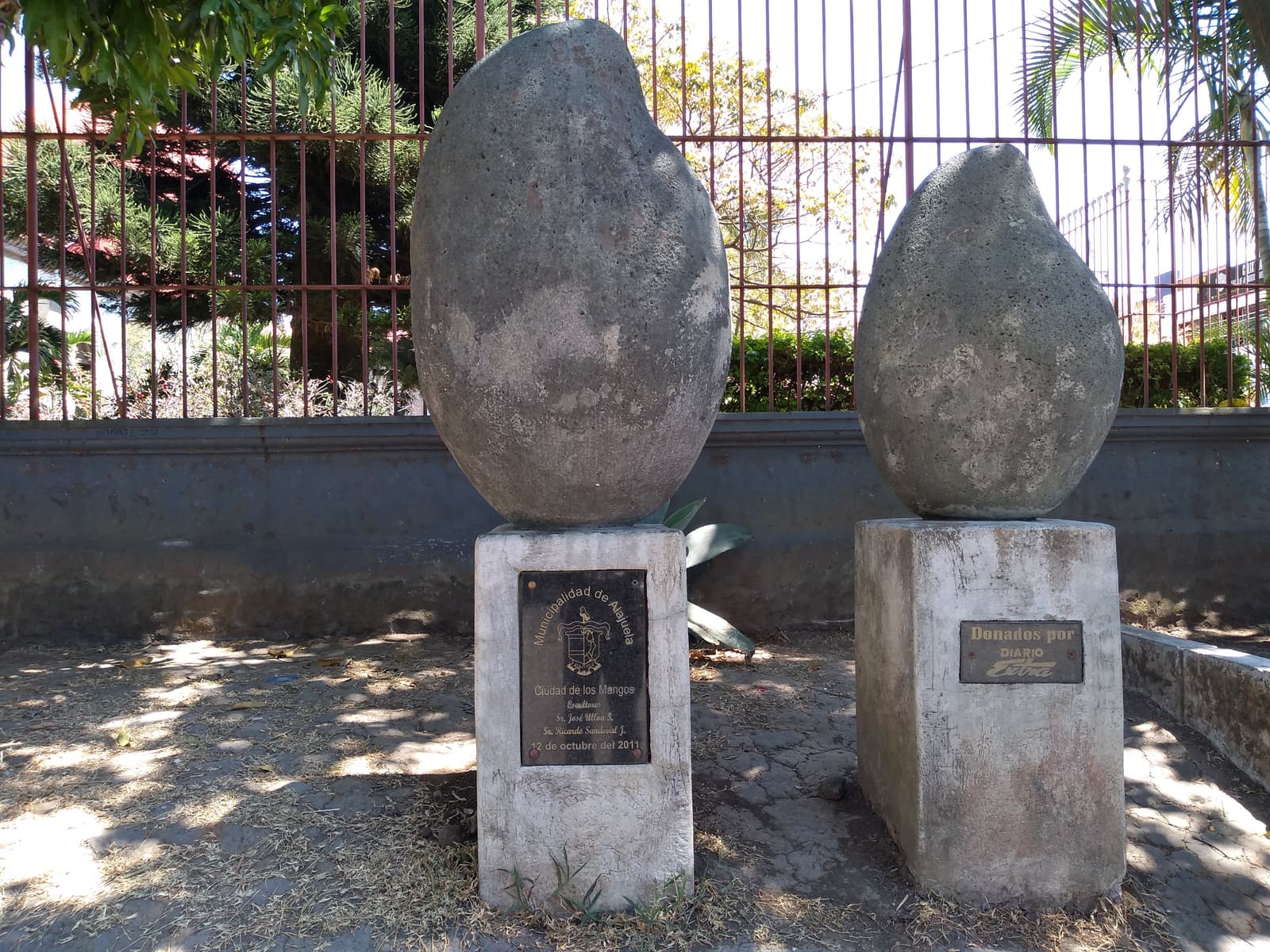
Parque Central de Alajuela 18